Why Thousands of Americans Are Ditching Solar Panels and Expensive Generators For This Low-Cost DIY Blackout Survival Device
As blackouts and storms hit harder than ever, a forgotten invention is helping Americans keep their homes safe, warm, and fully powered — without solar panels, noisy generators, or waiting months for a permit.
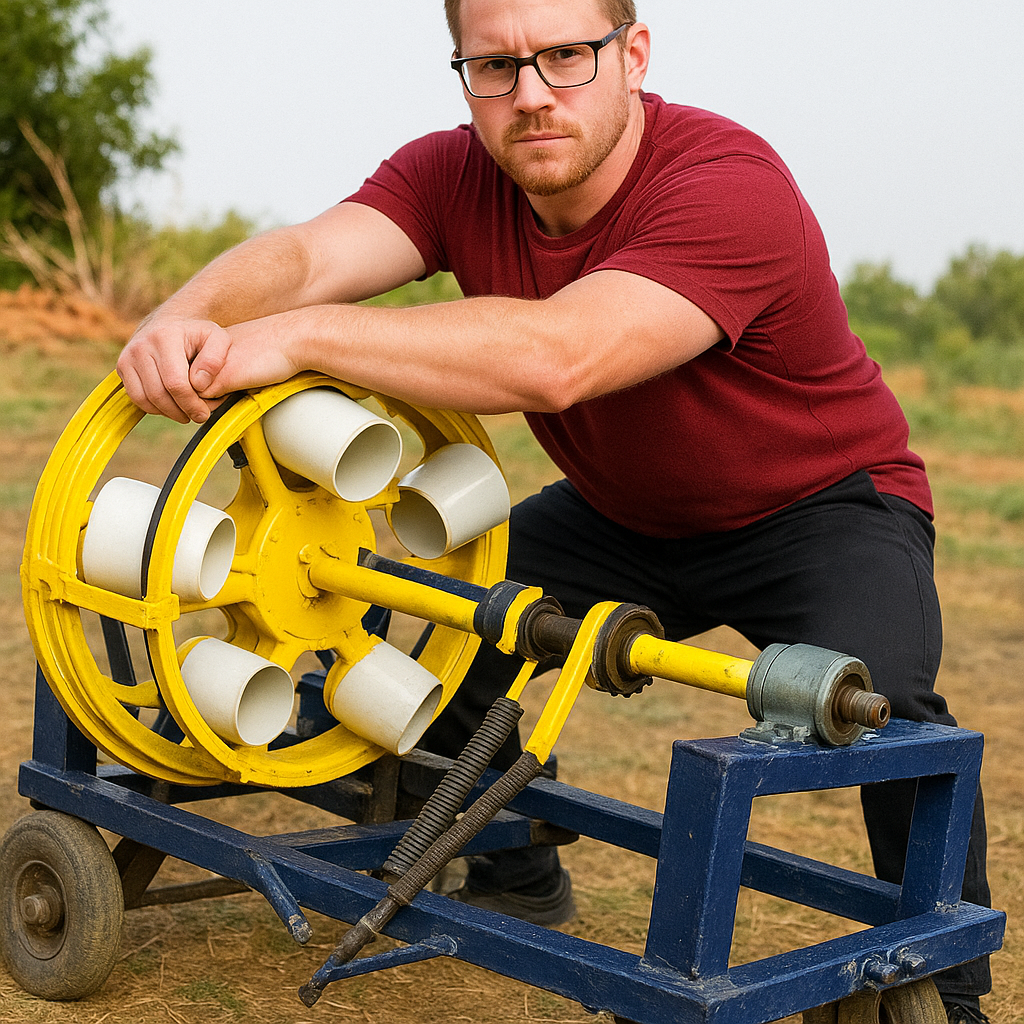
Blackouts are sweeping the country. Winter storms, summer heat waves, and an aging power grid are leaving millions of American families in the dark — sometimes for days. That's why more homeowners are turning to a forgotten invention that keeps the lights on, the fridge cold, and phones charged when the grid goes down.
It's based on a principle Nikola Tesla wrote about over 100 years ago — rediscovered by a retired engineer after his own family lost power for three days during a brutal ice storm. He built a working prototype in his garage over one weekend using parts anyone can grab at a hardware store, and for the first time his home stayed warm, lit, and fully powered while the rest of his block sat in the dark.
Now over 87,000 American homeowners have quietly built one of their own — no solar panels bolted to the roof, no noisy gas generator, no $20,000 loan, no waiting six months for a permit. It runs silently day and night, works even during the worst storms and blackouts, and it doesn't need a single drop of fuel.
- Keeps lights, fridge, phones and medical devices running during blackouts
- No solar panels, no noisy generator, no $20,000 installation
- Built in one afternoon with about $100 in parts
- Works through storms, grid failures and rolling blackouts
Watch The Short Video Before the Next Storm Hits
Yes! Show Me The Video NowAdvertising Disclosure: This is a paid advertorial. The owner may receive compensation for purchases made through links on this page.
Disclaimer: Individual results vary and are not guaranteed. This device is intended as a backup power solution for emergency and storm-preparedness use. Always follow local electrical codes and consult a qualified professional when working with electrical components.